
Neuromarketing-Studien & Markenvergleiche
Was Konsumenten wirklich fühlen
Die Kaufentscheide der Konsumenten erfolgen zu über 90% emotional. Gerade deshalb ist es so wichtig, die Gefühlswelt der Kunden zu verstehen. Dank dem einzigartigen Neuromarketing-Tool EmoCompass® ermöglicht ZUTT & PARTNER seit 2015 regelmässig Einblicke in die faszinierende Welt der Marken- und Kunden-Emotionen. Durch die Vergleiche von erfolgreichen Brands zeigt sich, was eine Marke zur emotionalen Nr. 1 macht.
Sie möchten keinen Neuromarketing-Vergleich verpassen?
Galaxus vs. Brack

Wie sieht der perfekte ChatGPT der Zukunft aus?
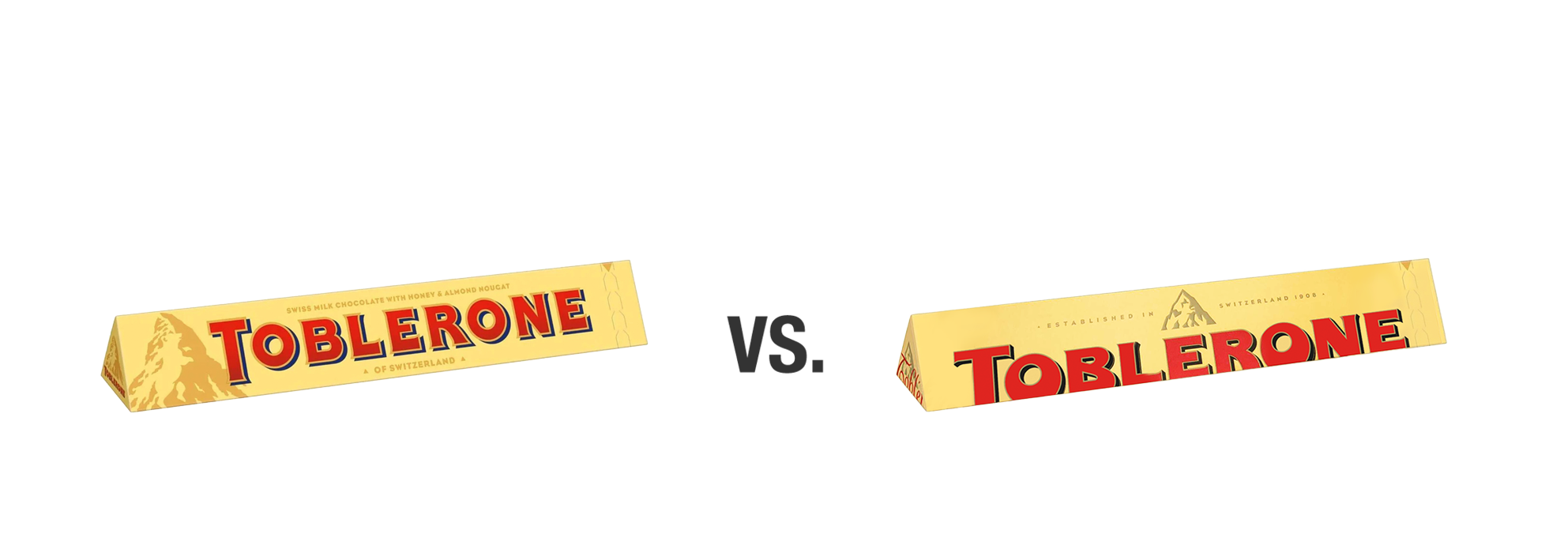
Toblerone alt vs. neu

A.Vogel vs. Berocca vs. Burgerstein

Roger Federer

Hellblaue vs. Schwarze Masken
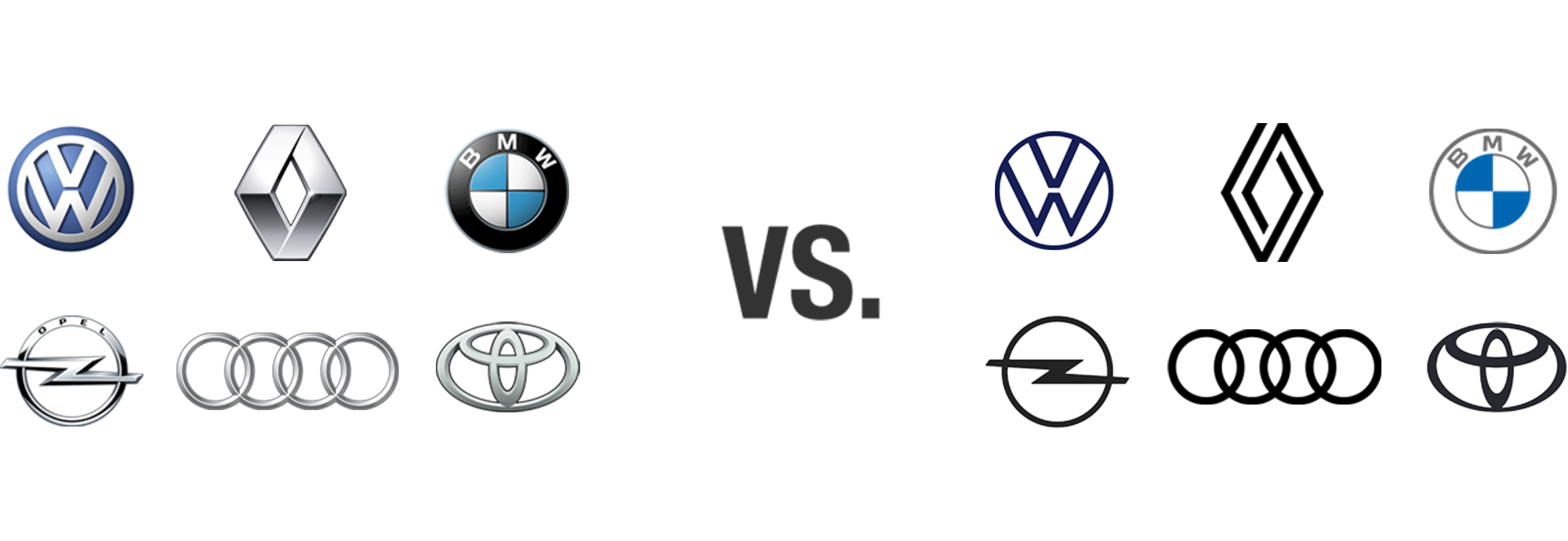
Alte vs. Neue Auto-Logos

Migros Wichtel vs. Coop Schneemonster

Louis Vuitton vs. Chanel vs. Gucci
Klassische Luxus-Uhren vs. Smarte Luxus-Uhren
CSS vs. Helsana
Mc Donald’s vs. Burger King

Rolex vs. Omega

Mammut vs. Arc’teryx

Audi vs. BMW

Adidas vs. Nike

Lindt vs. Cailler
Migros vs. Coop – Interview mit Marta Schenk
Migros vs. Coop – Kolumne
Migros vs. Coop

UBS vs. Credit Suisse – Kolumne
UBS vs. Credit Suisse – Interview mit Maurice Pedergnana
UBS vs. Credit Suisse
Coca-Cola vs. Rivella
Coca-Cola vs. Rivella – Interview mit Jürg Kesselring
Coca-Cola vs. Rivella – Kolumne

Schweiz vs. Österreich
Schweiz vs. Österreich – Kolumne
Schweiz vs. Österreich – Interview mit Urs Wagenseil

Grüne vs. SVP – Kolumne
Grüne vs. SVP – Interview mit Andreas Staub
Grüne vs. SVP
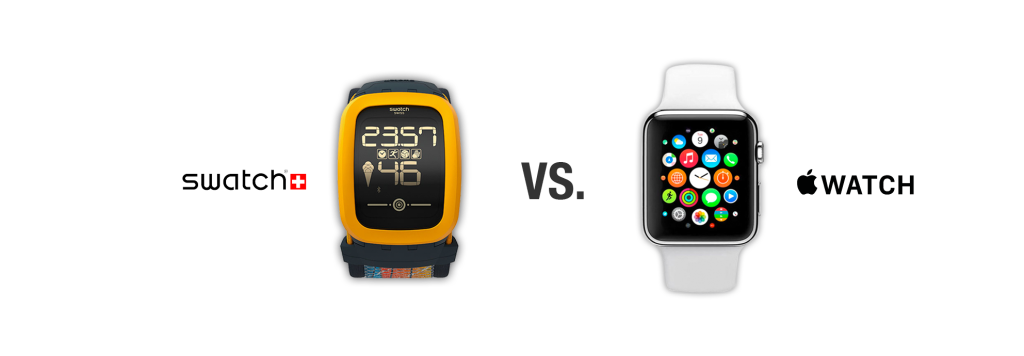
Swatch vs. Apple – Kolumne
Swatch vs. Apple – Interview mit Karin Frick
Swatch vs. Apple
Methodik und Neuromarketing-Tool EmoCompass®

Die Resultate der hier präsentierten Studien basieren auf qualitativen Befragungen mit dem Neuromarketing-Tool EmoCompass®. Die Befragungen erfolgen in online geführten Einzelinterviews – komplett nonverbal über neuropsychologisch codierte Muster. Die Arbeit mit abstrakten Farben und Formen ermöglicht das Erschliessen der Emotionen auf tiefem individuellem Assoziationslevel und fast unter Ausschluss von Kognition (rationalem Denken) und von reinen Likes und Dislikes. Für die Methodologie werden Erkenntnisse aus der Neurologie wie Synästhesie, patchworkartiges Arbeiten des Hirns sowie Fuzzy Logic genutzt.
Sie möchten keinen Neuromarketing-Vergleich verpassen?